








Zevachim 84

Share this shiur:
Masechet Zevachim
Masechet Zevachim is sponsored by Esther Kremer in loving memory of her father, Manny Gross on his third yahrzeit. “He exemplified a path of holiness and purity, living with kedushah in his everyday life.”
This week’s learning is sponsored by Robert and Paula Cohen in loving memory of Joseph Cohen, Yosef ben Moshe HaCohen, z”l. “He was hard working, loved to sing, esp. as a chazan, and was very dedicated to his family and community.”
Want to dedicate learning? Get started here:

Summary

In the dispute among the five Tannaim regarding which items remain on the altar even if they have become invalid, Reish Lakish points out cases where there is a practical halakhic difference between the various opinions. According to the Gemara, his novelty lies in one specific case, where he wanted to emphasize that Rabbi Shimon still maintains his position in a case of libations that accompany the sacrifice but were not brought on the same day the sacrifice was offered.
There is also a dispute between Rabbi Shimon and Rabbi Yehuda regarding which types of disqualifications fall under the rule of “if they have ascended [the altar], they do not descend.” The Gemara cites a braita that explains the textual basis for their respective opinions.
Today’s daily daf tools:
Masechet Zevachim
Masechet Zevachim is sponsored by Esther Kremer in loving memory of her father, Manny Gross on his third yahrzeit. “He exemplified a path of holiness and purity, living with kedushah in his everyday life.”
This week’s learning is sponsored by Robert and Paula Cohen in loving memory of Joseph Cohen, Yosef ben Moshe HaCohen, z”l. “He was hard working, loved to sing, esp. as a chazan, and was very dedicated to his family and community.”
Zevachim 84
תֵּרֵד. מִנְחָה הַבָּאָה עִם הַזֶּבַח – לְדִבְרֵי רַבָּן גַּמְלִיאֵל וְרַבִּי יְהוֹשֻׁעַ לֹא תֵּרֵד, לְדִבְרֵי כּוּלָּן תֵּרֵד.
even that meal offering shall descend, as it is not similar to lambs. With regard to a meal offering that comes with an animal offering, either a burnt offering or peace offering, according to the statements of Rabban Gamliel and Rabbi Yehoshua, it shall not descend, as it is meant for consumpion by the fire. According to the statements of everyone else, i.e., Rabbi Shimon and the tannai’im of the baraita, it shall descend, as it is neither offered by itself nor is it an animal.
נְסָכִים הַבָּאִין בִּפְנֵי עַצְמָן – לְדִבְרֵי כּוּלָּן יֵרְדוּ, לְדִבְרֵי רַבָּן גַּמְלִיאֵל וְרַבִּי שִׁמְעוֹן לֹא יֵרְדוּ. נְסָכִין הַבָּאִין עִם הַזֶּבַח – לְדִבְרֵי כּוּלָּן יֵרְדוּ, לְדִבְרֵי רַבָּן גַּמְלִיאֵל לְחוֹדֵיהּ לֹא יֵרְדוּ.
Reish Lakish continues: With regard to libations that come by themselves, according to the statements of everyone, i.e., Rabbi Yosei HaGelili, Rabbi Akiva, and Rabbi Yehoshua, they shall descend, but according to the statements of Rabban Gamliel and Rabbi Shimon, they shall not descend. With regard to libations that come with an animal offering, according to the statements of everyone, they shall descend, while according to the statement of Rabban Gamliel alone, they shall not descend.
פְּשִׁיטָא! מִנְחָה הַבָּאָה בִּפְנֵי עַצְמָהּ אִיצְטְרִיכָא לֵיהּ – וְכִדְרָבָא, דְּאָמַר רָבָא: מִתְנַדֵּב אָדָם מִנְחַת נְסָכִים בְּכׇל יוֹם.
The Gemara questions the need for such a summary: Isn’t it obvious? The Gemara answers: It was necessary for him to state the halakha in the case of a meal offering that comes by itself, and this is in accordance with the statement of Rava. As Rava says: A person can volunteer to bring a meal offering that normally accompanies libations, on any day, even without offering the libations and animal offering that it normally accompanies. Although the summary is itself obvious, it is nevertheless stated to indicate that it is possible to offer such a meal offering.
וְנַשְׁמְעִינַן כִּדְרָבָא! נְסָכִים הַבָּאִים עִם הַזֶּבַח אִיצְטְרִיכָא לֵיהּ – דְּקָא מַקְרֵב לְהוּ לִמְחַר וּלְיוֹמָא חָרָא.
The Gemara asks: If the intent of his summary is to express his agreement with the statement of Rava, then let Reish Lakish teach us explicitly that the halakha is in accordance with the statement of Rava. The Gemara answers: It was necessary for the case of libations that come with an animal offering, as the halakha in such a case is that he may sacrifice the libations the next day and on a later [ḥara] day sometime after sacrificing the animal offering that they accompany.
סָלְקָא דַּעְתָּךְ אָמֵינָא, הוֹאִיל וְאָמַר מָר: ״מִנְחָתָם וְנִסְכֵּיהֶם״ בַּלַּיְלָה, ״מִנְחָתָם וְנִסְכֵּיהֶם״ לְמָחָר – כִּנְסָכִים הַבָּאִין בִּפְנֵי עַצְמָן דָּמוּ, וּמוֹדֵי רַבִּי שִׁמְעוֹן דְּלֹא יֵרְדוּ; קָא מַשְׁמַע לַן.
Accordingly, it may enter your mind to say that since the Master says that the verse: “And their meal offering and their libations” (Numbers 29:18), indicates that libations may be offered at night, and the phrase “and their meal offering and their libations” indicates that libations may be offered the next day and on a later day, perhaps libations offered on a later date than the animal itself are to be considered as libations which come by themselves, and Rabbi Shimon would concede that they shall not descend. Reish Lakish therefore teaches us the case of libations that accompany an animal offering, to indicate that such libations are still considered as those that accompany an animal offering and that they shall descend from the altar.
מַתְנִי׳ אֵלּוּ אִם עָלוּ לֹא יֵרְדוּ: הַלָּן, וְהַיּוֹצֵא, וְהַטָּמֵא, וְשֶׁנִּשְׁחַט חוּץ לִזְמַנּוֹ וְחוּץ לִמְקוֹמוֹ, וְשֶׁקִּבְּלוּ פְּסוּלִין וְזָרְקוּ אֶת דָּמוֹ.
MISHNA: These are the items that even if they were disqualified, if they ascended the altar they shall not descend: Blood, sacrificial portions, or limbs of a burnt offering, any of which were left overnight off the altar, or that emerge from the Temple courtyard, or that become ritually impure, or that came from an animal that was slaughtered with the intent to sacrifice it beyond its designated time or outside its designated area, or an offering that people unfit to perform the Temple service collected and then sprinkled its blood.
רַבִּי יְהוּדָה אוֹמֵר: שֶׁנִּשְׁחַט בַּלַּיְלָה וְנִשְׁפַּךְ דָּמָהּ וְיָצָא דָּמָהּ חוּץ לַקְּלָעִים – אִם עָלְתָה תֵּרֵד. רַבִּי שִׁמְעוֹן אוֹמֵר: לֹא תֵּרֵד, שֶׁהָיָה פְּסוּלוֹ בַּקֹּדֶשׁ. שֶׁרַבִּי שִׁמְעוֹן אוֹמֵר: כֹּל שֶׁפְּסוּלוֹ בַּקֹּדֶשׁ – הַקֹּדֶשׁ מְקַבְּלוֹ, לֹא הָיָה פְּסוּלוֹ בַּקֹּדֶשׁ – אֵין הַקֹּדֶשׁ מְקַבְּלוֹ.
Rabbi Yehuda says: In the case of a sacrificial animal that was slaughtered at night, or one whose blood was spilled on the floor of the Temple without its being collected in a vessel, or one whose blood emerged outside the curtains, i.e., outside the Temple courtyard: Even if it ascended upon the altar it shall descend. Rabbi Shimon says: In all these cases, if it ascended it shall not descend, because its disqualification occurred in sanctity. As Rabbi Shimon says: With regard to any unfit offering whose disqualification occurred in sanctity, i.e., in the course of the Temple service, the sacred area renders the offering acceptable, and if it ascended onto the altar it shall not descend. But with regard to any offering whose disqualification did not occur in sanctity but rather was unfit initially, the sacred area does not render the offering acceptable.
וְאֵלּוּ שֶׁלֹּא הָיָה פְּסוּלָן בַּקֹּדֶשׁ: הָרוֹבֵעַ, וְהַנִּרְבָּע, וְהַמּוּקְצֶה, וְהַנֶּעֱבָד, וְהָאֶתְנַן, וְהַמְּחִיר, וְהַכִּלְאַיִם, וְהַטְּרֵפָה, וְהַיּוֹצֵא דּוֹפֶן, וּבַעֲלֵי מוּמִין. רַבִּי עֲקִיבָא מַכְשִׁיר בְּבַעֲלֵי מוּמִין. רַבִּי חֲנִינָא סְגַן הַכֹּהֲנִים אוֹמֵר: דּוֹחֶה הָיָה אַבָּא אֶת בַּעֲלֵי מוּמִין מֵעַל גַּבֵּי הַמִּזְבֵּחַ.
And these are the offerings whose disqualification did not occur in sanctity: An animal that copulated with a person, and an animal that was the object of bestiality, and an animal that was set aside for idol worship, and an animal that was worshipped as a deity, and an animal that was given as payment to a prostitute or as the price of a dog, and an animal born of a mixture of diverse kinds, and an animal with a wound that will cause it to die within twelve months [tereifa], and an animal born by caesarean section, and blemished animals. Rabbi Akiva deems blemished animals fit in the sense that if they ascended they shall not descend. Rabbi Ḥanina, the deputy High Priest, says: My father would reject blemished animals from upon the altar.
כְּשֵׁם שֶׁאִם עָלוּ לֹא יֵרְדוּ, כָּךְ אִם יֵרְדוּ לֹא יַעֲלוּ. וְכוּלָּן שֶׁעָלוּ חַיִּים לְרֹאשׁ הַמִּזְבֵּחַ – יֵרְדוּ. עוֹלָה שֶׁעָלְתָה חַיָּה לְרֹאשׁ הַמִּזְבֵּחַ – תֵּרֵד. שְׁחָטָהּ בְּרֹאשׁ הַמִּזְבֵּחַ – יַפְשִׁיט וִינַתְּחֶהָ בִּמְקוֹמָהּ.
Concerning those animals that, if they ascended, do not descend, just as if they ascended the altar they shall not descend, so too, if they descended they shall not then ascend. And all of them that if they ascend they do not descend, if they ascended to the top of the altar alive they descend, as an animal is fit for the altar only after it is slaughtered. A burnt offering that ascended to the top of the altar alive shall descend, as one does not slaughter an animal atop the altar ab initio. But if one slaughtered the animal at the top of the altar, he should flay it and cut it into pieces in its place, and it is not removed from the altar.
גְּמָ׳ תַּנְיָא, רַבִּי יְהוּדָה אוֹמֵר: ״זֹאת״, ״הִיא״, ״הָעֹלָה״ – הֲרֵי אֵלּוּ שְׁלֹשָׁה מִיעוּטִין; פְּרָט לְשֶׁנִּשְׁחֲטָה בַּלַּיְלָה, וְשֶׁנִּשְׁפַּךְ דָּמָהּ, וְשֶׁיָּצָא דָּמָהּ חוּץ לַקְּלָעִים – שֶׁאִם עָלְתָה, תֵּרֵד.
GEMARA: It is taught in a baraita that Rabbi Yehuda says: The verse from which is derived the halakha that items that ascended upon the altar shall not descend, states: “This is the law of the burnt offering: It is the burnt offering on the pyre upon the altar” (Leviticus 6:2). These are three terms of exclusion used in the verse: “This,” “it,” and “the,” from which it is derived that three instances are excluded from this halakha: A sacrificial animal that was slaughtered at night, and one whose blood was spilled, and one whose blood emerged outside the curtains, i.e., outside the Temple courtyard. With regard to these cases, the halakha is that if one of them ascended upon the altar it shall descend.
רַבִּי שִׁמְעוֹן אוֹמֵר: ״עֹלָה״ – אֵין לִי אֶלָּא עוֹלָה כְּשֵׁרָה; מִנַּיִן לְרַבּוֹת שֶׁנִּשְׁחֲטָה בַּלַּיְלָה, וְשֶׁנִּשְׁפַּךְ דָּמָהּ, וְשֶׁיָּצָא דָּמָהּ חוּץ לַקְּלָעִים, וְהַלָּן, וְהַיּוֹצֵא, וְהַטָּמֵא, וְשֶׁנִּשְׁחַט חוּץ לִזְמַנּוֹ וְחוּץ לִמְקוֹמוֹ, וְשֶׁקִּבְּלוּ פְּסוּלִין וְזָרְקוּ אֶת דָּמוֹ,
Rabbi Shimon says: From the usage of the term “burnt offering” I have derived only with regard to a fit burnt offering that it shall not descend. From where is it derived that the verse also includes a sacrificial animal that was disqualified, such as one that was slaughtered at night; or whose blood was spilled; or whose blood emerged outside the curtains, i.e., outside the Temple courtyard; or that was left overnight; or that emerged from the Temple courtyard, or that became ritually impure; or that came from an animal that was slaughtered with the intent to sacrifice it beyond its designated time or outside its designated area; or an offering that people unfit to perform the Temple service collected and then sprinkled its blood?
הַנִּיתָּנִין לְמַטָּה שֶׁנְּתָנָן לְמַעְלָה, וּלְמַעְלָה שֶׁנְּתָנָן לְמַטָּה, וְהַנִּיתָּנִין בַּחוּץ שֶׁנְּתָנָן בִּפְנִים, בִּפְנִים שֶׁנְּתָנָן בַּחוּץ,
In addition, from where is it derived that the following are also included in this halakha: Those offerings whose blood is to be placed below the red line that divided between the upper and lower halves of the external altar, i.e., a burnt offering, a guilt offering, or a peace offering, but it was placed above the red line; and a sin offering, whose blood is to be placed above the red line, that had its blood placed below the red line; and those offerings whose blood is to be placed outside, on the external altar, that had their blood placed inside, in the Sanctuary; and those offerings whose blood is to be placed inside that had their blood placed outside?
וּפֶסַח וְחַטָּאת שֶׁשְּׁחָטָן שֶׁלֹּא לִשְׁמָן – מִנַּיִן? תַּלְמוּד לוֹמַר: ״תּוֹרַת הָעֹלָה״ – רִיבָּה תּוֹרָה אַחַת לְכׇל הָעוֹלִין, שֶׁאִם עָלוּ לֹא יֵרְדוּ.
And in addition, with regard to a Paschal offering or sin offering that were slaughtered not for their sake, from where is it derived that if they ascended upon the altar they shall not descend? The verse states: “The law of the burnt offering,” which included in one law all items that ascend upon the altar, establishing the principle that if they ascended the altar they shall not descend.
יָכוֹל שֶׁאֲנִי מְרַבֶּה הָרוֹבֵעַ וְהַנִּרְבָּע, וְהַמּוּקְצֶה וְהַנֶּעֱבָד, וְאֶתְנַן וּמְחִיר, וְכִלְאַיִם וּטְרֵפָה וְיוֹצֵא דּוֹפֶן? תַּלְמוּד לוֹמַר: ״זֹאת״.
One might have thought that I should also include an animal that copulated with a person, and an animal that was the object of bestiality, and an animal that was set aside for idol worship, and an animal that was worshipped as a deity, and an animal that was given as payment to a prostitute or as the price of a dog, and an animal born of a mixture of diverse kinds, and an animal that is a tereifa, and an animal born by caesarean section. Therefore, the verse states: “This,” to exclude these types of disqualifications, which descend even after they have ascended the altar.
וּמָה רָאִיתָ לְרַבּוֹת אֶת אֵלּוּ וּלְהוֹצִיא אֶת אֵלּוּ? אַחַר שֶׁרִיבָּה
The Gemara asks: And what did you see as reason to include those and exclude these? The Gemara answers: After noting that the verse included
הַכָּתוּב וּמִיעֵט, מְרַבֶּה אֲנִי אֶת אֵלּוּ שֶׁהָיָה פְּסוּלָן בַּקֹּדֶשׁ, וּמוֹצִיא אֲנִי אֶת אֵלּוּ שֶׁלֹּא הָיָה פְּסוּלָן בַּקּוֹדֶשׁ.
and subsequently the verse excluded, I say the following claim with regard to what to include and what to exclude: I will include those whose disqualification was in sanctity, i.e., in the course of Temple service, and rule that if they ascended they shall not descend, and I will exclude these whose disqualification was not in sanctity, and rule that if they ascended they shall descend.
וְרַבִּי יְהוּדָה מַיְיתֵי לַהּ מֵהָכָא: מִפְּנֵי מָה אָמְרוּ לָן בַּדָּם כָּשֵׁר –
And as for Rabbi Yehuda, who disagrees with Rabbi Shimon and does not deem it permitted for items whose disqualification occurred in sanctity to remain on the altar, yet agrees that those items listed in the beginning of the mishna, such as sacrificial portions left overnight, shall not descend, he derives it from here, as it is taught in a baraita: For what reason did the Sages say to us that in the case of blood left overnight it is fit, i.e., if blood of an offering had been left overnight and was then placed on the altar it is not removed?
שֶׁהֲרֵי לָן כָּשֵׁר בָּאֵימוּרִין. לָן בָּאֵימוּרִין כָּשֵׁר – שֶׁהֲרֵי לָן כָּשֵׁר בַּבָּשָׂר.
This is as the halakha is in the case of sacrificial portions, which if they are left overnight are fit. From where is it derived that in the case of sacrificial portions that are left overnight, they are fit? This is as the halakha is in the case of meat, which if it is left overnight is fit, because the meat of a peace offering may be eaten for two days and one night.
יוֹצֵא – שֶׁהַיּוֹצֵא כָּשֵׁר בְּבָמָה.
From where is it derived that if an offering that emerges from the Temple courtyard is then placed on the altar it is not removed? This is derived by comparison, since an offering that leaves its area is fit in the case of an offering brought on a private altar, as the entire notion of sacrifice on such an altar is that it may be performed anywhere.
טָמֵא – הוֹאִיל וְהוּתַּר לַעֲבוֹדַת צִיבּוּר.
From where is it derived that if an offering that has become ritually impure is placed on the altar it is not removed? This is derived by comparison, since it is permitted to offer an impure offering in the case of communal rites, i.e., communal offerings. In cases of necessity, the communal offerings may be sacrificed even if they are ritually impure.
חוּץ לִזְמַנּוֹ – הוֹאִיל וּמְרַצֶּה לְפִיגּוּלוֹ.
From where is it derived that if an offering that was disqualified due to the intention of the priest who slaughtered it to consume it beyond its designated time [piggul] was placed on the altar, it is not removed? This is derived by comparison, since the sprinkling of its blood effects acceptance with regard to its status as piggul. The status of piggul takes effect only if the sacrificial rites involving that offering were otherwise performed properly. This indicates that it still has the status of an offering, so it is not removed from the altar.
חוּץ לִמְקוֹמוֹ – הוֹאִיל וְאִיתַּקַּשׁ לְחוּץ לִזְמַנּוֹ.
From where is it derived that if an offering that was disqualified due to the intention of the priest who slaughtered it to consume it outside its designated area was placed on the altar, it is not removed? This is derived by comparison, since it is juxtaposed to an offering that was slaughtered with intent to consume it beyond its designated time.
שֶׁקִּבְּלוּ פְּסוּלִין וְזָרְקוּ אֶת דָּמוֹ – בְּהָנָךְ פְּסוּלֵי דַּחֲזוֹ לַעֲבוֹדַת צִיבּוּר.
From where is it derived that if an offering that people unfit for performing the Temple service collected and then sprinkled its blood was placed on the altar, it is not removed? This is derived from the halakha of these priests who are generally disqualified because they are impure, yet who are fit to perform the communal rites, i.e., to sacrifice communal offerings, in a case when all the priests or the majority of the Jewish people are impure.
וְכִי דָּנִין דָּבָר שֶׁלֹּא בְּהֶכְשֵׁרוֹ, מִדָּבָר שֶׁבְּהֶכְשֵׁרוֹ?!
The Gemara questions the derivations of the baraita: But can one deduce the halakha of a matter that is not fit, i.e., sacrificial portions that are disqualified due to having been left overnight, from the halakha of a matter that is fit, i.e., the peace offering, which is permitted for eating for two days and one night? Similarly, how can the baraita derive the halakha of flesh that was removed from the Temple courtyard from the halakha of a private altar, which has no halakhic area surrounding it?
תָּנָּא אַ״זֹּאת תּוֹרַת הָעֹלָה״ רִיבָּה סְמִיךְ לֵיהּ.
The Gemara answers: The tanna relied on the verse: “Command Aaron and his sons, saying: This is the law of the burnt offering: It is the burnt offering on the pyre upon the altar all night until the morning; and the fire of the altar shall be kept burning there” (Leviticus 6:2), which amplified the application of the halakha stated in the verse, teaching that many types of disqualified offerings may be left upon the altar. The derivations written in the baraita are mere supports for those two halakhot. The explanations cited in the baraita for including these disqualifications are mentioned only to clarify why Rabbi Yehuda does not exclude them based on the terms “this,” “it,” and “that.”
אָמַר רַבִּי יוֹחָנָן: הַשּׁוֹחֵט בְּהֵמָה בַּלַּיְלָה בִּפְנִים וְהֶעֱלָה בַּחוּץ – חַיָּיב,
§ With regard to an offering that was slaughtered at night, which Rabbi Yehuda holds shall descend from the altar even if it ascended, Rabbi Yoḥanan says: One who slaughters a sacrificial animal at night inside the Temple courtyard, and then offers it up on an altar outside the Temple courtyard, is liable to receive karet, which is the punishment for one who sacrifices an offering outside the Temple courtyard. Although one is normally liable for sacrificing an offering outside the Temple courtyard only if it was fit to be offered on the altar within the Temple, and an animal slaughtered at night is disqualified and shall descend from the altar according to Rabbi Yehuda,

Today’s daily daf tools:
Delve Deeper
Broaden your understanding of the topics on this daf with classes and podcasts from top women Talmud scholars.


Zevahim 81: Like the Sin-Offering, So Too the Guilt-Offering

Zevahim 74: Mediterranean and Dead Seas: How to Lose a Minority Item


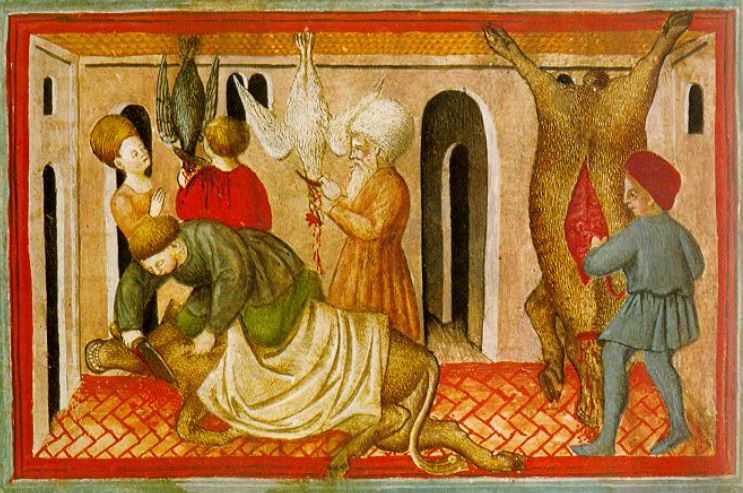
Zevahim 70: Geese, Chickens, and the Broken Neck of a Goat
New to Talmud?
Check out our resources designed to help you navigate a page of Talmud – and study at the pace, level and style that fits you.
The Hadran Women’s Tapestry
Meet the diverse women learning Gemara at Hadran and hear their stories.
When the new cycle began, I thought, If not now, when? I’d just turned 72. I feel like a tourist on a tour bus passing astonishing scenery each day. Rabbanit Michelle is my beloved tour guide. When the cycle ends, I’ll be 80. I pray that I’ll have strength and mind to continue the journey to glimpse a little more. My grandchildren think having a daf-learning savta is cool!

Jerusalem, Israel
I was exposed to Talmud in high school, but I was truly inspired after my daughter and I decided to attend the Women’s Siyum Shas in 2020. We knew that this was a historic moment. We were blown away, overcome with emotion at the euphoria of the revolution. Right then, I knew I would continue. My commitment deepened with the every-morning Virtual Beit Midrash on Zoom with R. Michelle.

Zichron Yaakov, Israel
Years ago, I attended the local Siyum HaShas with my high school class. It was inspiring! Through that cycle and the next one, I studied masekhtot on my own and then did “daf yomi practice.” The amazing Hadran Siyum HaShas event firmed my resolve to “really do” Daf Yomi this time. It has become a family goal. We’ve supported each other through challenges, and now we’re at the Siyum of Seder Moed!

Jerusalem, Israel
Having never learned Talmud before, I started Daf Yomi in hopes of connecting to the Rabbinic tradition, sharing a daily idea on Instagram (@dafyomiadventures). With Hadran and Sefaria, I slowly gained confidence in my skills and understanding. Now, part of the Pardes Jewish Educators Program, I can’t wait to bring this love of learning with me as I continue to pass it on to my future students.

Pennsylvania, United States
I started learning Talmud with R’ Haramati in Yeshivah of Flatbush. But after a respite of 60 years, Rabbanit Michelle lit my fire – after attending the last three world siyumim in Miami Beach, Meadowlands and Boca Raton, and now that I’m retired, I decided – “I can do this!” It has been an incredible journey so far, and I look forward to learning Daf everyday – Mazal Tov to everyone!

Florida, United States
It has been a pleasure keeping pace with this wonderful and scholarly group of women.

Beit Shemesh, Israel
I’ve been wanting to do Daf Yomi for years, but always wanted to start at the beginning and not in the middle of things. When the opportunity came in 2020, I decided: “this is now the time!” I’ve been posting my journey daily on social media, tracking my progress (#DafYomi); now it’s fully integrated into my daily routines. I’ve also inspired my partner to join, too!

Teaneck, United States
I am grateful for the structure of the Daf Yomi. When I am freer to learn to my heart’s content, I learn other passages in addition. But even in times of difficulty, I always know that I can rely on the structure and social support of Daf Yomi learners all over the world.
I am also grateful for this forum. It is very helpful to learn with a group of enthusiastic and committed women.

Beit Shemesh, Israel
My husband learns Daf, my son learns Daf, my son-in-law learns Daf.
When I read about Hadran’s Siyyum HaShas 2 years ago, I thought- I can learn Daf too!
I had learned Gemara in Hillel HS in NJ, & I remembered loving it.
Rabbanit Michelle & Hadran have opened my eyes & expanding my learning so much in the past few years. We can now discuss Gemara as a family.
This was a life saver during Covid

Brooklyn, NY, United States

Oceanside NY, United States
I never thought I’d be able to do Daf Yomi till I saw the video of Hadran’s Siyum HaShas. Now, 2 years later, I’m about to participate in Siyum Seder Mo’ed with my Hadran community. It has been an incredible privilege to learn with Rabbanit Michelle and to get to know so many caring, talented and knowledgeable women. I look forward with great anticipation and excitement to learning Seder Nashim.
Karmiel, Israel
In January 2020, my teaching partner at IDC suggested we do daf yomi. Thanks to her challenge, I started learning daily from Rabbanit Michelle. It’s a joy to be part of the Hadran community. (It’s also a tikkun: in 7th grade, my best friend and I tied for first place in a citywide gemara exam, but we weren’t invited to the celebration because girls weren’t supposed to be learning gemara).

Jerusalem, Israel
I learned daf more off than on 40 years ago. At the beginning of the current cycle, I decided to commit to learning daf regularly. Having Rabanit Michelle available as a learning partner has been amazing. Sometimes I learn with Hadran, sometimes with my husband, and sometimes on my own. It’s been fun to be part of an extended learning community.

Honolulu, Hawaii, United States
I started learning Dec 2019 after reading “If all the Seas Were Ink”. I found
Daily daf sessions of Rabbanit Michelle in her house teaching, I then heard about the siyum and a new cycle starting wow I am in! Afternoon here in Sydney, my family and friends know this is my sacred time to hide away to live zoom and learn. Often it’s hard to absorb and relate then a gem shines touching my heart.

Dover Heights, Australia

Mamaroneck, NY, United States
I’ve been learning since January 2020, and in June I started drawing a phrase from each daf. Sometimes it’s easy (e.g. plants), sometimes it’s very hard (e.g. korbanot), and sometimes it’s loads of fun (e.g. bird racing) to find something to draw. I upload my pictures from each masechet to #DafYomiArt. I am enjoying every step of the journey.

Ashdod, Israel
I started learning on January 5, 2020. When I complete the 7+ year cycle I will be 70 years old. I had been intimidated by those who said that I needed to study Talmud in a traditional way with a chevruta, but I decided the learning was more important to me than the method. Thankful for Daf Yomi for Women helping me catch up when I fall behind, and also being able to celebrate with each Siyum!

Bakersfield, United States
I started learning after the siyum hashas for women and my daily learning has been a constant over the last two years. It grounded me during the chaos of Corona while providing me with a community of fellow learners. The Daf can be challenging but it’s filled with life’s lessons, struggles and hope for a better world. It’s not about the destination but rather about the journey. Thank you Hadran!

אפרת, Israel
Michelle has been an inspiration for years, but I only really started this cycle after the moving and uplifting siyum in Jerusalem. It’s been an wonderful to learn and relearn the tenets of our religion and to understand how the extraordinary efforts of a band of people to preserve Judaism after the fall of the beit hamikdash is still bearing fruits today. I’m proud to be part of the chain!

Raanana, Israel
In January 2020, my chevruta suggested that we “up our game. Let’s do Daf Yomi” – and she sent me the Hadran link. I lost my job (and went freelance), there was a pandemic, and I am still opening the podcast with my breakfast coffee, or after Shabbat with popcorn. My Aramaic is improving. I will need a new bookcase, though.
Atlanta, Georgia, United States
Zevachim 84
תֵּרֵד. מִנְחָה הַבָּאָה עִם הַזֶּבַח – לְדִבְרֵי רַבָּן גַּמְלִיאֵל וְרַבִּי יְהוֹשֻׁעַ לֹא תֵּרֵד, לְדִבְרֵי כּוּלָּן תֵּרֵד.
even that meal offering shall descend, as it is not similar to lambs. With regard to a meal offering that comes with an animal offering, either a burnt offering or peace offering, according to the statements of Rabban Gamliel and Rabbi Yehoshua, it shall not descend, as it is meant for consumpion by the fire. According to the statements of everyone else, i.e., Rabbi Shimon and the tannai’im of the baraita, it shall descend, as it is neither offered by itself nor is it an animal.
נְסָכִים הַבָּאִין בִּפְנֵי עַצְמָן – לְדִבְרֵי כּוּלָּן יֵרְדוּ, לְדִבְרֵי רַבָּן גַּמְלִיאֵל וְרַבִּי שִׁמְעוֹן לֹא יֵרְדוּ. נְסָכִין הַבָּאִין עִם הַזֶּבַח – לְדִבְרֵי כּוּלָּן יֵרְדוּ, לְדִבְרֵי רַבָּן גַּמְלִיאֵל לְחוֹדֵיהּ לֹא יֵרְדוּ.
Reish Lakish continues: With regard to libations that come by themselves, according to the statements of everyone, i.e., Rabbi Yosei HaGelili, Rabbi Akiva, and Rabbi Yehoshua, they shall descend, but according to the statements of Rabban Gamliel and Rabbi Shimon, they shall not descend. With regard to libations that come with an animal offering, according to the statements of everyone, they shall descend, while according to the statement of Rabban Gamliel alone, they shall not descend.
פְּשִׁיטָא! מִנְחָה הַבָּאָה בִּפְנֵי עַצְמָהּ אִיצְטְרִיכָא לֵיהּ – וְכִדְרָבָא, דְּאָמַר רָבָא: מִתְנַדֵּב אָדָם מִנְחַת נְסָכִים בְּכׇל יוֹם.
The Gemara questions the need for such a summary: Isn’t it obvious? The Gemara answers: It was necessary for him to state the halakha in the case of a meal offering that comes by itself, and this is in accordance with the statement of Rava. As Rava says: A person can volunteer to bring a meal offering that normally accompanies libations, on any day, even without offering the libations and animal offering that it normally accompanies. Although the summary is itself obvious, it is nevertheless stated to indicate that it is possible to offer such a meal offering.
וְנַשְׁמְעִינַן כִּדְרָבָא! נְסָכִים הַבָּאִים עִם הַזֶּבַח אִיצְטְרִיכָא לֵיהּ – דְּקָא מַקְרֵב לְהוּ לִמְחַר וּלְיוֹמָא חָרָא.
The Gemara asks: If the intent of his summary is to express his agreement with the statement of Rava, then let Reish Lakish teach us explicitly that the halakha is in accordance with the statement of Rava. The Gemara answers: It was necessary for the case of libations that come with an animal offering, as the halakha in such a case is that he may sacrifice the libations the next day and on a later [ḥara] day sometime after sacrificing the animal offering that they accompany.
סָלְקָא דַּעְתָּךְ אָמֵינָא, הוֹאִיל וְאָמַר מָר: ״מִנְחָתָם וְנִסְכֵּיהֶם״ בַּלַּיְלָה, ״מִנְחָתָם וְנִסְכֵּיהֶם״ לְמָחָר – כִּנְסָכִים הַבָּאִין בִּפְנֵי עַצְמָן דָּמוּ, וּמוֹדֵי רַבִּי שִׁמְעוֹן דְּלֹא יֵרְדוּ; קָא מַשְׁמַע לַן.
Accordingly, it may enter your mind to say that since the Master says that the verse: “And their meal offering and their libations” (Numbers 29:18), indicates that libations may be offered at night, and the phrase “and their meal offering and their libations” indicates that libations may be offered the next day and on a later day, perhaps libations offered on a later date than the animal itself are to be considered as libations which come by themselves, and Rabbi Shimon would concede that they shall not descend. Reish Lakish therefore teaches us the case of libations that accompany an animal offering, to indicate that such libations are still considered as those that accompany an animal offering and that they shall descend from the altar.
מַתְנִי׳ אֵלּוּ אִם עָלוּ לֹא יֵרְדוּ: הַלָּן, וְהַיּוֹצֵא, וְהַטָּמֵא, וְשֶׁנִּשְׁחַט חוּץ לִזְמַנּוֹ וְחוּץ לִמְקוֹמוֹ, וְשֶׁקִּבְּלוּ פְּסוּלִין וְזָרְקוּ אֶת דָּמוֹ.
MISHNA: These are the items that even if they were disqualified, if they ascended the altar they shall not descend: Blood, sacrificial portions, or limbs of a burnt offering, any of which were left overnight off the altar, or that emerge from the Temple courtyard, or that become ritually impure, or that came from an animal that was slaughtered with the intent to sacrifice it beyond its designated time or outside its designated area, or an offering that people unfit to perform the Temple service collected and then sprinkled its blood.
רַבִּי יְהוּדָה אוֹמֵר: שֶׁנִּשְׁחַט בַּלַּיְלָה וְנִשְׁפַּךְ דָּמָהּ וְיָצָא דָּמָהּ חוּץ לַקְּלָעִים – אִם עָלְתָה תֵּרֵד. רַבִּי שִׁמְעוֹן אוֹמֵר: לֹא תֵּרֵד, שֶׁהָיָה פְּסוּלוֹ בַּקֹּדֶשׁ. שֶׁרַבִּי שִׁמְעוֹן אוֹמֵר: כֹּל שֶׁפְּסוּלוֹ בַּקֹּדֶשׁ – הַקֹּדֶשׁ מְקַבְּלוֹ, לֹא הָיָה פְּסוּלוֹ בַּקֹּדֶשׁ – אֵין הַקֹּדֶשׁ מְקַבְּלוֹ.
Rabbi Yehuda says: In the case of a sacrificial animal that was slaughtered at night, or one whose blood was spilled on the floor of the Temple without its being collected in a vessel, or one whose blood emerged outside the curtains, i.e., outside the Temple courtyard: Even if it ascended upon the altar it shall descend. Rabbi Shimon says: In all these cases, if it ascended it shall not descend, because its disqualification occurred in sanctity. As Rabbi Shimon says: With regard to any unfit offering whose disqualification occurred in sanctity, i.e., in the course of the Temple service, the sacred area renders the offering acceptable, and if it ascended onto the altar it shall not descend. But with regard to any offering whose disqualification did not occur in sanctity but rather was unfit initially, the sacred area does not render the offering acceptable.
וְאֵלּוּ שֶׁלֹּא הָיָה פְּסוּלָן בַּקֹּדֶשׁ: הָרוֹבֵעַ, וְהַנִּרְבָּע, וְהַמּוּקְצֶה, וְהַנֶּעֱבָד, וְהָאֶתְנַן, וְהַמְּחִיר, וְהַכִּלְאַיִם, וְהַטְּרֵפָה, וְהַיּוֹצֵא דּוֹפֶן, וּבַעֲלֵי מוּמִין. רַבִּי עֲקִיבָא מַכְשִׁיר בְּבַעֲלֵי מוּמִין. רַבִּי חֲנִינָא סְגַן הַכֹּהֲנִים אוֹמֵר: דּוֹחֶה הָיָה אַבָּא אֶת בַּעֲלֵי מוּמִין מֵעַל גַּבֵּי הַמִּזְבֵּחַ.
And these are the offerings whose disqualification did not occur in sanctity: An animal that copulated with a person, and an animal that was the object of bestiality, and an animal that was set aside for idol worship, and an animal that was worshipped as a deity, and an animal that was given as payment to a prostitute or as the price of a dog, and an animal born of a mixture of diverse kinds, and an animal with a wound that will cause it to die within twelve months [tereifa], and an animal born by caesarean section, and blemished animals. Rabbi Akiva deems blemished animals fit in the sense that if they ascended they shall not descend. Rabbi Ḥanina, the deputy High Priest, says: My father would reject blemished animals from upon the altar.
כְּשֵׁם שֶׁאִם עָלוּ לֹא יֵרְדוּ, כָּךְ אִם יֵרְדוּ לֹא יַעֲלוּ. וְכוּלָּן שֶׁעָלוּ חַיִּים לְרֹאשׁ הַמִּזְבֵּחַ – יֵרְדוּ. עוֹלָה שֶׁעָלְתָה חַיָּה לְרֹאשׁ הַמִּזְבֵּחַ – תֵּרֵד. שְׁחָטָהּ בְּרֹאשׁ הַמִּזְבֵּחַ – יַפְשִׁיט וִינַתְּחֶהָ בִּמְקוֹמָהּ.
Concerning those animals that, if they ascended, do not descend, just as if they ascended the altar they shall not descend, so too, if they descended they shall not then ascend. And all of them that if they ascend they do not descend, if they ascended to the top of the altar alive they descend, as an animal is fit for the altar only after it is slaughtered. A burnt offering that ascended to the top of the altar alive shall descend, as one does not slaughter an animal atop the altar ab initio. But if one slaughtered the animal at the top of the altar, he should flay it and cut it into pieces in its place, and it is not removed from the altar.
גְּמָ׳ תַּנְיָא, רַבִּי יְהוּדָה אוֹמֵר: ״זֹאת״, ״הִיא״, ״הָעֹלָה״ – הֲרֵי אֵלּוּ שְׁלֹשָׁה מִיעוּטִין; פְּרָט לְשֶׁנִּשְׁחֲטָה בַּלַּיְלָה, וְשֶׁנִּשְׁפַּךְ דָּמָהּ, וְשֶׁיָּצָא דָּמָהּ חוּץ לַקְּלָעִים – שֶׁאִם עָלְתָה, תֵּרֵד.
GEMARA: It is taught in a baraita that Rabbi Yehuda says: The verse from which is derived the halakha that items that ascended upon the altar shall not descend, states: “This is the law of the burnt offering: It is the burnt offering on the pyre upon the altar” (Leviticus 6:2). These are three terms of exclusion used in the verse: “This,” “it,” and “the,” from which it is derived that three instances are excluded from this halakha: A sacrificial animal that was slaughtered at night, and one whose blood was spilled, and one whose blood emerged outside the curtains, i.e., outside the Temple courtyard. With regard to these cases, the halakha is that if one of them ascended upon the altar it shall descend.
רַבִּי שִׁמְעוֹן אוֹמֵר: ״עֹלָה״ – אֵין לִי אֶלָּא עוֹלָה כְּשֵׁרָה; מִנַּיִן לְרַבּוֹת שֶׁנִּשְׁחֲטָה בַּלַּיְלָה, וְשֶׁנִּשְׁפַּךְ דָּמָהּ, וְשֶׁיָּצָא דָּמָהּ חוּץ לַקְּלָעִים, וְהַלָּן, וְהַיּוֹצֵא, וְהַטָּמֵא, וְשֶׁנִּשְׁחַט חוּץ לִזְמַנּוֹ וְחוּץ לִמְקוֹמוֹ, וְשֶׁקִּבְּלוּ פְּסוּלִין וְזָרְקוּ אֶת דָּמוֹ,
Rabbi Shimon says: From the usage of the term “burnt offering” I have derived only with regard to a fit burnt offering that it shall not descend. From where is it derived that the verse also includes a sacrificial animal that was disqualified, such as one that was slaughtered at night; or whose blood was spilled; or whose blood emerged outside the curtains, i.e., outside the Temple courtyard; or that was left overnight; or that emerged from the Temple courtyard, or that became ritually impure; or that came from an animal that was slaughtered with the intent to sacrifice it beyond its designated time or outside its designated area; or an offering that people unfit to perform the Temple service collected and then sprinkled its blood?
הַנִּיתָּנִין לְמַטָּה שֶׁנְּתָנָן לְמַעְלָה, וּלְמַעְלָה שֶׁנְּתָנָן לְמַטָּה, וְהַנִּיתָּנִין בַּחוּץ שֶׁנְּתָנָן בִּפְנִים, בִּפְנִים שֶׁנְּתָנָן בַּחוּץ,
In addition, from where is it derived that the following are also included in this halakha: Those offerings whose blood is to be placed below the red line that divided between the upper and lower halves of the external altar, i.e., a burnt offering, a guilt offering, or a peace offering, but it was placed above the red line; and a sin offering, whose blood is to be placed above the red line, that had its blood placed below the red line; and those offerings whose blood is to be placed outside, on the external altar, that had their blood placed inside, in the Sanctuary; and those offerings whose blood is to be placed inside that had their blood placed outside?
וּפֶסַח וְחַטָּאת שֶׁשְּׁחָטָן שֶׁלֹּא לִשְׁמָן – מִנַּיִן? תַּלְמוּד לוֹמַר: ״תּוֹרַת הָעֹלָה״ – רִיבָּה תּוֹרָה אַחַת לְכׇל הָעוֹלִין, שֶׁאִם עָלוּ לֹא יֵרְדוּ.
And in addition, with regard to a Paschal offering or sin offering that were slaughtered not for their sake, from where is it derived that if they ascended upon the altar they shall not descend? The verse states: “The law of the burnt offering,” which included in one law all items that ascend upon the altar, establishing the principle that if they ascended the altar they shall not descend.
יָכוֹל שֶׁאֲנִי מְרַבֶּה הָרוֹבֵעַ וְהַנִּרְבָּע, וְהַמּוּקְצֶה וְהַנֶּעֱבָד, וְאֶתְנַן וּמְחִיר, וְכִלְאַיִם וּטְרֵפָה וְיוֹצֵא דּוֹפֶן? תַּלְמוּד לוֹמַר: ״זֹאת״.
One might have thought that I should also include an animal that copulated with a person, and an animal that was the object of bestiality, and an animal that was set aside for idol worship, and an animal that was worshipped as a deity, and an animal that was given as payment to a prostitute or as the price of a dog, and an animal born of a mixture of diverse kinds, and an animal that is a tereifa, and an animal born by caesarean section. Therefore, the verse states: “This,” to exclude these types of disqualifications, which descend even after they have ascended the altar.
וּמָה רָאִיתָ לְרַבּוֹת אֶת אֵלּוּ וּלְהוֹצִיא אֶת אֵלּוּ? אַחַר שֶׁרִיבָּה
The Gemara asks: And what did you see as reason to include those and exclude these? The Gemara answers: After noting that the verse included
הַכָּתוּב וּמִיעֵט, מְרַבֶּה אֲנִי אֶת אֵלּוּ שֶׁהָיָה פְּסוּלָן בַּקֹּדֶשׁ, וּמוֹצִיא אֲנִי אֶת אֵלּוּ שֶׁלֹּא הָיָה פְּסוּלָן בַּקּוֹדֶשׁ.
and subsequently the verse excluded, I say the following claim with regard to what to include and what to exclude: I will include those whose disqualification was in sanctity, i.e., in the course of Temple service, and rule that if they ascended they shall not descend, and I will exclude these whose disqualification was not in sanctity, and rule that if they ascended they shall descend.
וְרַבִּי יְהוּדָה מַיְיתֵי לַהּ מֵהָכָא: מִפְּנֵי מָה אָמְרוּ לָן בַּדָּם כָּשֵׁר –
And as for Rabbi Yehuda, who disagrees with Rabbi Shimon and does not deem it permitted for items whose disqualification occurred in sanctity to remain on the altar, yet agrees that those items listed in the beginning of the mishna, such as sacrificial portions left overnight, shall not descend, he derives it from here, as it is taught in a baraita: For what reason did the Sages say to us that in the case of blood left overnight it is fit, i.e., if blood of an offering had been left overnight and was then placed on the altar it is not removed?
שֶׁהֲרֵי לָן כָּשֵׁר בָּאֵימוּרִין. לָן בָּאֵימוּרִין כָּשֵׁר – שֶׁהֲרֵי לָן כָּשֵׁר בַּבָּשָׂר.
This is as the halakha is in the case of sacrificial portions, which if they are left overnight are fit. From where is it derived that in the case of sacrificial portions that are left overnight, they are fit? This is as the halakha is in the case of meat, which if it is left overnight is fit, because the meat of a peace offering may be eaten for two days and one night.
יוֹצֵא – שֶׁהַיּוֹצֵא כָּשֵׁר בְּבָמָה.
From where is it derived that if an offering that emerges from the Temple courtyard is then placed on the altar it is not removed? This is derived by comparison, since an offering that leaves its area is fit in the case of an offering brought on a private altar, as the entire notion of sacrifice on such an altar is that it may be performed anywhere.
טָמֵא – הוֹאִיל וְהוּתַּר לַעֲבוֹדַת צִיבּוּר.
From where is it derived that if an offering that has become ritually impure is placed on the altar it is not removed? This is derived by comparison, since it is permitted to offer an impure offering in the case of communal rites, i.e., communal offerings. In cases of necessity, the communal offerings may be sacrificed even if they are ritually impure.
חוּץ לִזְמַנּוֹ – הוֹאִיל וּמְרַצֶּה לְפִיגּוּלוֹ.
From where is it derived that if an offering that was disqualified due to the intention of the priest who slaughtered it to consume it beyond its designated time [piggul] was placed on the altar, it is not removed? This is derived by comparison, since the sprinkling of its blood effects acceptance with regard to its status as piggul. The status of piggul takes effect only if the sacrificial rites involving that offering were otherwise performed properly. This indicates that it still has the status of an offering, so it is not removed from the altar.
חוּץ לִמְקוֹמוֹ – הוֹאִיל וְאִיתַּקַּשׁ לְחוּץ לִזְמַנּוֹ.
From where is it derived that if an offering that was disqualified due to the intention of the priest who slaughtered it to consume it outside its designated area was placed on the altar, it is not removed? This is derived by comparison, since it is juxtaposed to an offering that was slaughtered with intent to consume it beyond its designated time.
שֶׁקִּבְּלוּ פְּסוּלִין וְזָרְקוּ אֶת דָּמוֹ – בְּהָנָךְ פְּסוּלֵי דַּחֲזוֹ לַעֲבוֹדַת צִיבּוּר.
From where is it derived that if an offering that people unfit for performing the Temple service collected and then sprinkled its blood was placed on the altar, it is not removed? This is derived from the halakha of these priests who are generally disqualified because they are impure, yet who are fit to perform the communal rites, i.e., to sacrifice communal offerings, in a case when all the priests or the majority of the Jewish people are impure.
וְכִי דָּנִין דָּבָר שֶׁלֹּא בְּהֶכְשֵׁרוֹ, מִדָּבָר שֶׁבְּהֶכְשֵׁרוֹ?!
The Gemara questions the derivations of the baraita: But can one deduce the halakha of a matter that is not fit, i.e., sacrificial portions that are disqualified due to having been left overnight, from the halakha of a matter that is fit, i.e., the peace offering, which is permitted for eating for two days and one night? Similarly, how can the baraita derive the halakha of flesh that was removed from the Temple courtyard from the halakha of a private altar, which has no halakhic area surrounding it?
תָּנָּא אַ״זֹּאת תּוֹרַת הָעֹלָה״ רִיבָּה סְמִיךְ לֵיהּ.
The Gemara answers: The tanna relied on the verse: “Command Aaron and his sons, saying: This is the law of the burnt offering: It is the burnt offering on the pyre upon the altar all night until the morning; and the fire of the altar shall be kept burning there” (Leviticus 6:2), which amplified the application of the halakha stated in the verse, teaching that many types of disqualified offerings may be left upon the altar. The derivations written in the baraita are mere supports for those two halakhot. The explanations cited in the baraita for including these disqualifications are mentioned only to clarify why Rabbi Yehuda does not exclude them based on the terms “this,” “it,” and “that.”
אָמַר רַבִּי יוֹחָנָן: הַשּׁוֹחֵט בְּהֵמָה בַּלַּיְלָה בִּפְנִים וְהֶעֱלָה בַּחוּץ – חַיָּיב,
§ With regard to an offering that was slaughtered at night, which Rabbi Yehuda holds shall descend from the altar even if it ascended, Rabbi Yoḥanan says: One who slaughters a sacrificial animal at night inside the Temple courtyard, and then offers it up on an altar outside the Temple courtyard, is liable to receive karet, which is the punishment for one who sacrifices an offering outside the Temple courtyard. Although one is normally liable for sacrificing an offering outside the Temple courtyard only if it was fit to be offered on the altar within the Temple, and an animal slaughtered at night is disqualified and shall descend from the altar according to Rabbi Yehuda,

